Best Jamaican Food in Denver for Jerk Chicken Lovers
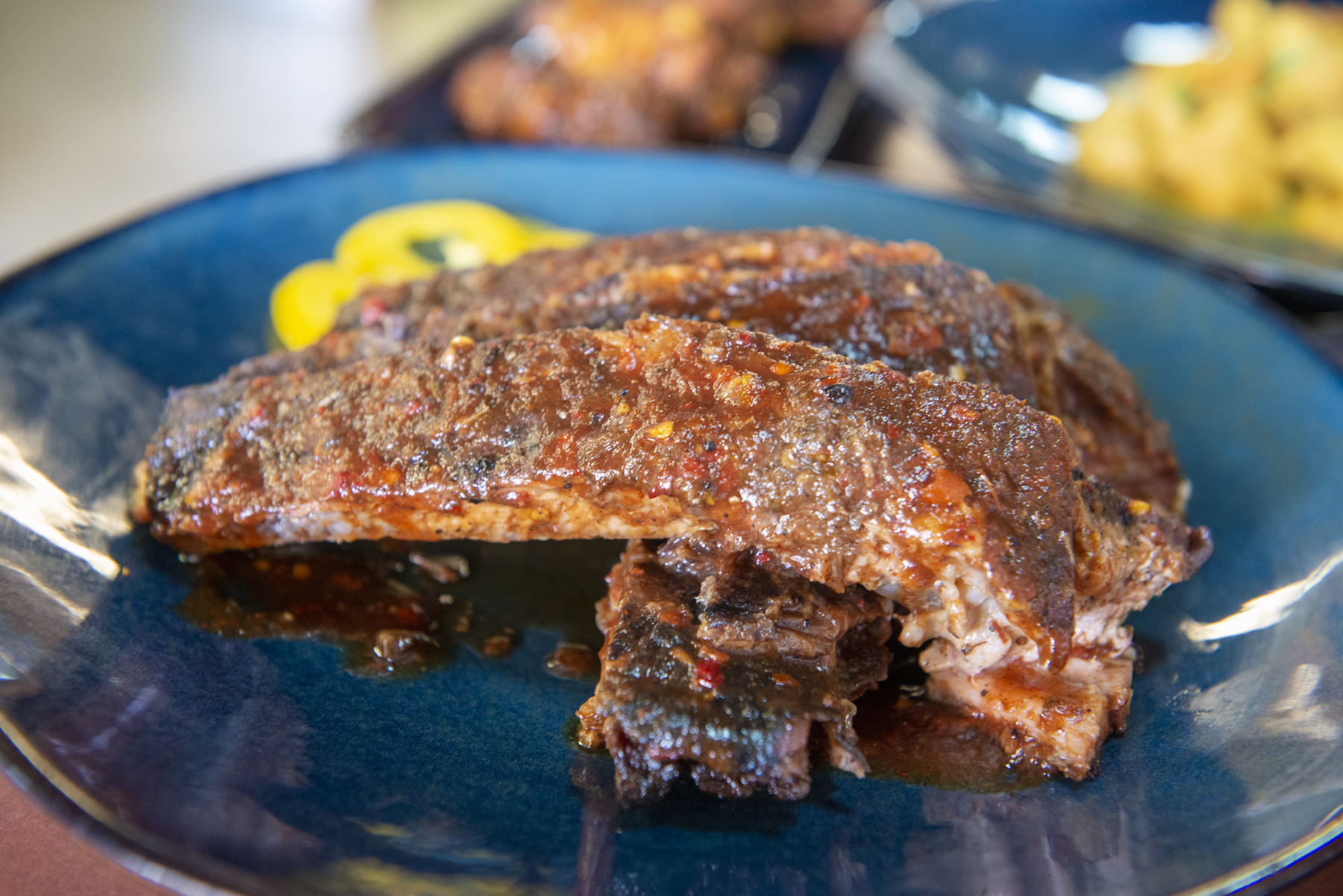
Jerk chicken is one of those dishes that exposes a restaurant almost immediately. You can fake a lot with a sweet glaze, an aggressive char, or a name that promises island flavor. You cannot fake balance. Real jerk has heat, yes, but also depth from allspice, thyme, scallion, garlic, ginger, and Scotch bonnet or a similar chile. It should taste seasoned all the way through, not just painted on the outside. The smoke matters. The texture matters. The sides matter more than people admit.
That is what makes the search for great Jamaican food in Denver so interesting. Denver is not a city with a Jamaican restaurant on every other block. The field is smaller, which means the good places stand out fast, and the average ones reveal themselves just as quickly. For someone who loves jerk chicken, that is not a drawback. It just changes how you eat. You pay closer attention to the marinade, to whether the chicken was grilled hard enough to caramelize without drying out, and to whether the kitchen understands that rice and peas are not filler. They are part of the plate.
If you are trying to find the best Jamaican food Denver has to offer, it helps to know what you are actually chasing. A great jerk plate is never just about spice level. It is about how the spice rides on top of savory fat, bright herbs, fruit notes, and smoke. The best versions make you take another bite before you have fully finished the first.
What separates excellent jerk chicken from the merely spicy
A lot of diners talk about jerk chicken as if it begins and ends with heat. That is the easiest thing to measure, and the least interesting. Good jerk chicken announces itself in stages. First comes the aroma, often warm and almost sweet from allspice and clove-like notes. Then the herbs hit. Then the chile builds. If the cook knows what they are doing, smoke and char stay in the conversation the whole time.
Texture matters just as much. Thighs and leg quarters tend to deliver the best results because they can hold up to hard grilling and heavy seasoning without turning stringy. Breast meat can work, but it has a much smaller margin for error. If a restaurant’s jerk chicken is offered only as chopped white meat over rice, that tells you something. It may still be tasty, but it is usually designed for convenience rather than character.
Marinade penetration is another giveaway. The best jerk chicken is seasoned beneath the surface. You should see color and smell aromatics in the meat itself, not just in the lacquered skin or the sauce spooned over the top. This is one of the first things experienced eaters notice, because it tells you whether the kitchen respects the dish enough to give it time.
Denver’s climate adds a practical wrinkle. The dry air and high altitude can be unforgiving on grilled meats. A kitchen that turns out consistently juicy jerk chicken here is doing real work behind the scenes, whether that means smarter brining, more attentive grilling, or careful resting before service. When you find a place in Denver that gets this right, it earns repeat visits.
The signs that a Jamaican spot takes jerk seriously
You can often tell before the first bite whether a restaurant understands jerk as a tradition rather than a trend. The menu gives clues. So does the smell in the dining room. Even the way the cashier answers questions can tell you whether the kitchen is confident or just moving product.
Here are a few reliable tells:
- The chicken is cooked in bone-in pieces, or at least offered that way.
- The menu includes classic sides like rice and peas, cabbage, or plantains, not just generic fries.
- The heat level is described honestly, not softened into vague “island style” language.
- The flavor profile leans herbal and smoky, not sticky-sweet like barbecue.
- The kitchen can tell you what makes their jerk their own, whether that is extra pimento, heavier smoke, or a family marinade.
These details matter because Denver has plenty of restaurants that borrow Caribbean language without committing to Caribbean technique. That does not make the food bad. It just means you may be ordering something adjacent to jerk rather than the real thing.
Why Denver’s Jamaican scene rewards curious eaters
In cities with a huge Caribbean presence, you can afford to be casual. In Denver, a jerk chicken lover usually does better with a little intention. The scene is more scattered. You may find your favorite plate in a modest strip-mall kitchen, a food truck parked at a brewery, or a hybrid Caribbean restaurant that serves a broad menu and quietly nails jerk better than the place built around it.
That can be a good thing. Smaller scenes often reward regulars. Staff notice when you come back. Portions sometimes improve. You learn which days the grill is busiest and freshest, when the oxtail sells out, or whether the patties are baked in-house or brought in. Anyone who has spent time chasing regional food outside its traditional strongholds knows that this is how the best meals happen. You stop looking for glossy branding and start reading the room.
The strongest Jamaican food in Denver usually comes from places that understand comfort food as a whole plate experience. Jerk chicken is the headline, but the supporting cast matters. Rice and peas should taste of coconut and seasoning, not plain steam-table rice with beans tossed in. Cabbage should offer freshness and relief. Plantains should be sweet enough to soften the edges of the spice without drifting into dessert territory. If the plate makes sense from end to end, the kitchen probably knows what it is doing.
How to order if jerk chicken is your benchmark
If I am trying a new Jamaican restaurant, I almost always start the same way. I order the jerk chicken with rice and peas, a vegetable side if available, and one item that shows how the kitchen handles another classic, usually a beef patty, curry goat, or oxtail if the budget allows. That gives me a broad enough read on seasoning, texture, and consistency without turning the meal into a full tasting exercise.
Jerk chicken is the benchmark because it exposes both skill and discipline. Curry can hide shortcuts more easily. Braises can recover from rough handling. Jerk cannot. If the chicken is dry, the problem is obvious. If the spice is one-note, you know it. If the char is timid, the whole dish feels unfinished.
Sauce on the side is not always a bad sign, but it can be a revealing one. In many restaurants, extra jerk sauce or pepper sauce is meant to complement a chicken that is already fully seasoned. In weaker kitchens, sauce becomes a rescue operation. That is why the first few bites should always be plain. Let the chicken speak before you reach for the condiment bottle.
What the best pairings tell you about the kitchen
One of the pleasures of ordering Jamaican food is that the plate naturally balances itself when the cook gets it right. Hot and smoky jerk wants calm, starchy rice and peas. It wants sweetness from ripe plantains. It wants a little crunch or softness from cabbage, slaw, or festival, depending on the restaurant.
If you want to build the strongest possible order around jerk chicken, these pairings rarely miss:
- Rice and peas for richness and contrast
- Fried sweet plantains for sweetness against the chile
- Steamed or sautéed cabbage for freshness
- Beef patties when you want a flaky, savory extra
- Sorrel or ginger beer if the restaurant makes or stocks them
There is judgment involved here. Plantains can tip a meal too sweet if the jerk is already glazed heavily. Cabbage can be forgettable if underseasoned, but when done well it resets your palate between bites. Rice and peas, on the other hand, are non-negotiable if you want the full picture. They are where many kitchens show whether they season every component or only the protein.
The issue of heat, and why asking for “extra spicy” can backfire
Jerk lovers often wear their chile tolerance like a badge. I understand the impulse. Plenty of mainstream restaurants flatten Jamaican food into something safe and sweet, so people overcorrect by asking for maximum heat. But raw heat is not the point. A better question is whether the kitchen’s standard jerk tastes balanced.
Some of the most satisfying jerk chicken plates are not the hottest ones. They are the ones where spice arrives with citrus, herb, bitterness from char, and that unmistakable allspice warmth. If you bury all of that under a flood of hot sauce, you may feel brave, but you have also erased the thing you came for.
The smarter move is to taste first, then adjust. If the restaurant offers house-made pepper sauce, ask what it is like. Some lean vinegary and bright. Others are thicker and fruitier. That conversation alone often tells you whether the staff eats the food the way they serve it.
Atmosphere counts, but not in the way people think
With Jamaican restaurants, atmosphere can be misleading. Some of the best meals arrive in humble dining rooms with a handful of tables, laminated menus, and a speaker playing music just a little too loudly. Some polished places deliver beautiful branding and underpowered food. That is not unique to Jamaican cuisine, but it shows up often enough that it is worth saying plainly.
What matters more is pace and confidence. Does the food come out too fast to have been cooked with care, or slowly enough that https://marcotlmh582.dovetailscope.com/posts/your-guide-to-delicious-jamaican-food-in-denver grilling and plating feel deliberate? Are the sides hot and fresh, or clearly sitting in hold pans too long? Does the chicken look like it came off a grill, or like it was baked and brushed afterward?
Denver diners can be overly forgiving of style because the city has a healthy appetite for casual concepts and strong design. There is nothing wrong with that. But if you are specifically hunting for the best Jamaican food in Denver, the room should impress you less than the plate.
Lunch plates, dinner orders, and the value question
Jerk chicken can live at several price points in Denver, and not every expensive plate is a ripoff. Bone-in chicken takes labor. Marinade takes time. Grilling in small batches costs more than churning out sauced chicken in volume. Still, value is easy to judge once you know what to look for.
A worthwhile lunch plate should feel complete. Even if portions are a bit tighter than dinner, you should get enough rice and peas to support the chicken and enough side material to make the meal coherent. If the chicken portion is generous but the rest of the plate feels like afterthought filler, that is not really value. It is imbalance.
Dinner is where stronger kitchens often widen the gap. The best ones maintain quality when the portions get larger. The weaker ones simply add more rice to compensate. This is why sharing can be useful when you are exploring. Order jerk chicken and one braised dish, then compare. If the restaurant shines only when moisture does the work, you will know.
Food trucks, pop-ups, and why they can outperform permanent restaurants
Some of the most compelling Caribbean food in Denver has appeared outside the standard restaurant model. Trucks and pop-ups often have advantages that matter for jerk. Smaller menus allow tighter execution. Limited service windows encourage faster turnover. The cooks can focus on a handful of dishes instead of spreading energy across a broad menu.
For jerk chicken lovers, that can be ideal. A truck that serves only a few mains may be grilling constantly, which usually helps texture and freshness. The trade-off is inconsistency of access. You may have to follow social media, catch weekend events, or drive farther than you normally would for lunch. If you care more about quality than convenience, that trade is often worth it.
There is also a cultural point here. Diaspora food scenes frequently grow through informal or semi-formal channels before they settle into permanent storefronts. Eating from those channels can give you a better sense of who is cooking with conviction rather than simply occupying a market niche.
The sides that deserve more respect
People talk about jerk chicken like the rest of the plate is scenery. It is not. In a serious Jamaican meal, every element contributes to rhythm. You need the salty, spicy bite of chicken, then the soft comfort of rice and peas, then maybe the sweetness of plantain, then the vegetal relief of cabbage. That back-and-forth is part of the pleasure.
Rice and peas, especially, separate careful restaurants from careless ones. Properly made, they carry coconut richness and seasoning of their own. They should not taste like plain rice with a few kidney beans stirred through at the end. The texture should be tender but distinct, something that can absorb juices without turning to paste.
Plantains can tell a similar story. Underripe ones taste starchy and flat. Overcooked ones slump into syrupy mush. The sweet spot is deep caramelization with enough structure to hold shape on the fork. It sounds minor until you have a plate where the plantains are perfect. Suddenly the jerk tastes sharper, brighter, and more complete.
If you are comparing Denver spots, compare them fairly
Not every Jamaican restaurant in Denver is trying to do the same thing. Some aim for home-style comfort. Some lean fast-casual. Some blend Jamaican dishes into a broader Caribbean or Afro-diasporic menu. A fair comparison takes intent into account.
A small takeout-focused kitchen may never give you the polished plating or cocktail program of a full-service restaurant, but it might produce the stronger jerk. A broader Caribbean menu might not specialize in Jamaican food alone, yet still serve a deeply satisfying plate because the grill cook knows exactly how to manage smoke and marinade. The best way to compare is to keep your benchmark consistent. Order jerk chicken with rice and peas, then judge flavor depth, moisture, char, and side quality. Everything else is secondary.
This is also where repeat visits matter. Some restaurants are excellent at peak hours, when the grill is moving constantly and the chicken turns over fast. Others do better early, before the dinner rush stretches the kitchen. One meal can tell you a lot, but two meals can tell you whether the quality is intentional or accidental.
A smart way to find your personal favorite
Taste is personal, even within something as specific as jerk chicken. Some people want aggressive smoke and serious fire. Others prefer a more herbal profile with moderate heat and juicy meat. The only way to find your place is to narrow the field with purpose.
Start with restaurants or pop-ups that make jerk a central part of the menu rather than a token offering. Go at a busy service time if possible. Order the standard plate before improvising. Take note of the details most people forget, like whether the rice and peas taste seasoned on their own or whether the plantains seem cooked to order. Then go back to the places that got the fundamentals right and explore the rest of the menu.
That is usually how the search for the best Jamaican food Denver offers becomes rewarding instead of frustrating. You stop hunting for a mythical perfect restaurant and start identifying the kitchens that respect the cuisine enough to do the hard parts well.
What jerk chicken lovers should really be looking for in Denver
The best Jamaican food in Denver is not necessarily the loudest, trendiest, or easiest to find. It is the food that tastes like somebody cared about marination time, grill temperature, spice balance, and the integrity of the whole plate. It is chicken with char that means something. Rice and peas that do more than fill space. Plantains that finish the bite instead of just sitting there.
For jerk chicken lovers, that is the standard. Not novelty, not branding, not oversized portions alone. Flavor that unfolds. Heat with structure. Smoke with restraint. A plate that feels coherent from first bite to last.
Denver may not have the largest Jamaican dining scene in the country, but that can work in your favor. The search gets sharper. Your palate gets sharper too. And when you find the place that serves jerk chicken with true depth, one that makes the room go quiet for a moment after the first bite, you will know exactly why it earned a spot in your rotation.
Reggae Pot Jamaican Grill
Address: 2243 S Monaco St Pkwy #104, Denver, CO 80222
Phone number: +17204102956
FAQ About Jamaican Food Denver
What is typical Jamaican food?
Typical Jamaican food features bold, vibrant flavors created by blending African, Taino, European, and Asian influences.
What is a famous Jamaican dish?
Ackee and saltfish is Jamaica's national dish, made by sautéing the soft local ackee fruit with salted cod, onions, tomatoes, and spicy Scotch bonnet peppers.
What food is most popular in Jamaica?
The most popular and famous food in Jamaica is Jerk Chicken, celebrated worldwide for its smoky, spicy flavor.