Caribbean Food Denver: Top Menus Full of Tropical Flavor
Denver is not the first city most people associate with Caribbean cooking, which is exactly why the best meals can catch you off guard. You come in from a dry Front Range afternoon, maybe still wearing a jacket, and the room smells like allspice, thyme, garlic, Scotch bonnet, coconut milk, and grilled meat. One plate later, the weather outside feels irrelevant.
The appeal of Caribbean food in Denver goes beyond novelty. At its best, it brings together food traditions shaped by migration, trade, colonial history, African technique, Indigenous ingredients, and island ingenuity. That mix shows up on the plate in ways that feel both comforting and bright. Slow braises sit next to sharp pickles. Fried plantains balance pepper heat. Rice absorbs gravies that took hours to build. A good Caribbean menu is never one-note.
If you are searching for caribbean food denver, the city offers more range than many diners expect. Some menus lean Jamaican, built around jerk, curry, patties, and oxtail. Others pull from Cuban, Puerto Rican, Dominican, Haitian, or Trinidadian traditions. A few kitchens blend islands and regions in ways that would make a purist raise an eyebrow, but still produce excellent food. That is part of the landscape in a city where independent restaurants often adapt to local supply, staffing, and audience while holding onto the flavors that matter most.
What makes a Caribbean menu worth your time
Not every menu with plantains and jerk seasoning tells the full story. The strongest ones usually share a few traits. First, they understand contrast. Caribbean cooking thrives on the push and pull between smoke and sweetness, tenderness and crunch, richness and acid. A plate of jerk chicken without something cooling, tart, or starchy beside it feels incomplete. The same goes for a heavy stew that never gets a fresh element.
Second, the food needs patience. Oxtail should not taste rushed. Curry goat should not feel like goat plus curry powder. Rice and peas should carry the aroma of coconut, herbs, and proper stock, not just sit there as background starch. You can often tell within a few bites whether a kitchen respects time-intensive dishes or treats them like fast-casual placeholders.
Third, the menu should have a point of view. Maybe the chef focuses on Jamaican staples and executes them with discipline. Maybe the kitchen explores a broader Afro-Caribbean range. Maybe it is a family-run counter where the best dish is whatever simmered all morning. The details vary, but the good places make clear choices. They are not trying to be everything at once.
The dishes that define the category
Caribbean menus can be broad, but a few dishes consistently separate the memorable restaurants from the forgettable ones.
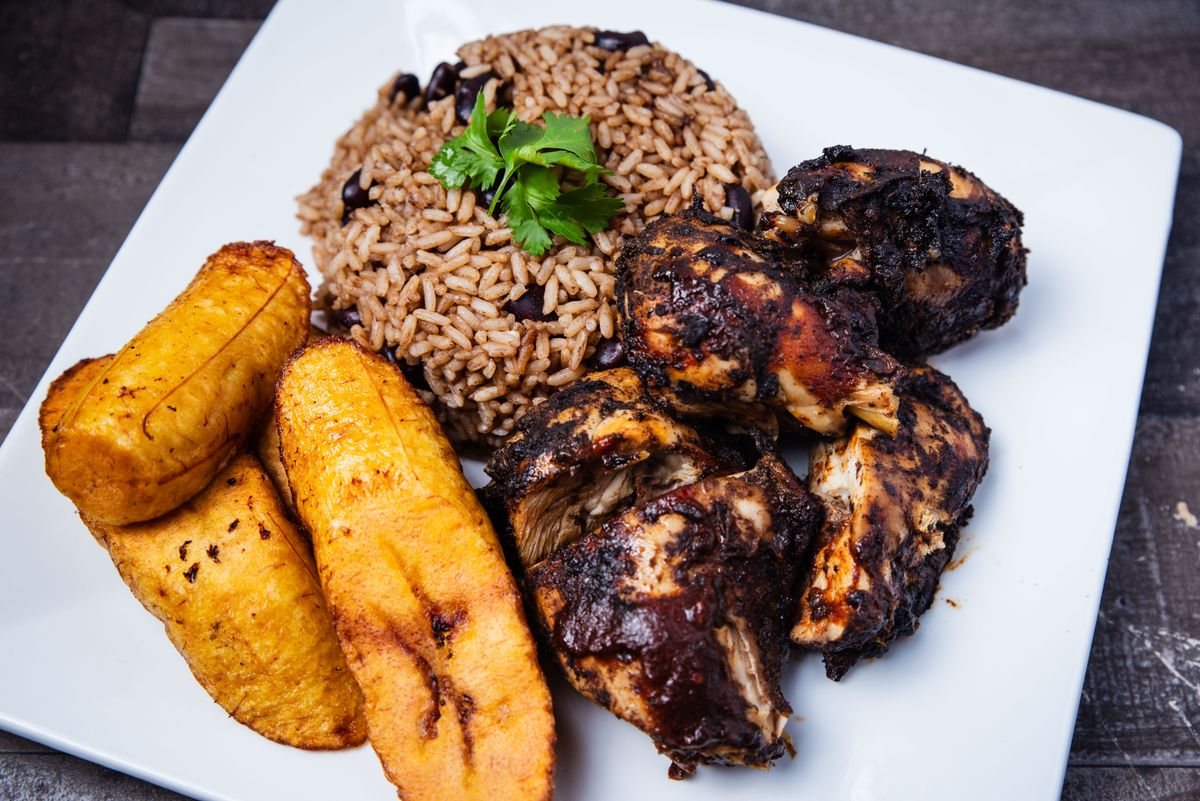
Jerk is probably the first word many Denver diners recognize, yet it is also one of the most misunderstood. Real jerk is not simply spicy grilled chicken. It is seasoning, yes, but also technique and smoke. The flavor should carry allspice, thyme, scallion, garlic, ginger, and chile heat with enough depth that each bite changes as you chew. On a weak menu, jerk lands as salty heat with little complexity. On a strong one, the smoke lingers, the spice blooms slowly, and the meat stays juicy.
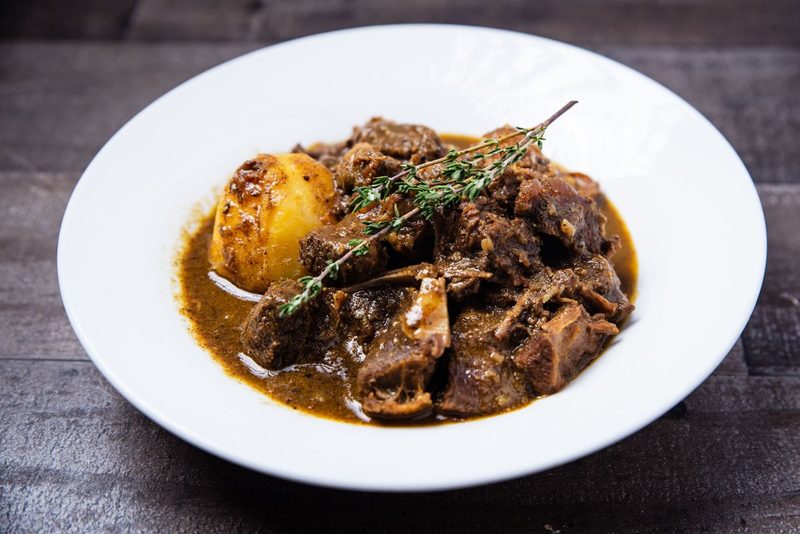
Oxtail tells you almost everything about a kitchen’s standards. It is expensive, labor-intensive, and unforgiving if handled carelessly. Good oxtail should be deeply savory, glossy with reduced sauce, and tender enough to pull apart without becoming mushy. The gravy matters as much as the meat. It should coat rice rather than puddle like a thin broth.
Curry goat and curry chicken are often more nuanced than outsiders expect. Caribbean curry profiles vary, but the best versions have a warm, rounded spice character rather than a harsh powdery bite. Potatoes, when included, should absorb flavor instead of diluting it. Goat in particular benefits from slow cooking that softens the meat while preserving its character.
Then there are the supporting players that are not really supporting players at all. Rice and peas, fried sweet plantains, cabbage, festival, coco bread, macaroni pie, stewed beans, yuca, and slaw often determine whether the meal feels complete. In many kitchens, the side dishes tell the truth. A restaurant can fake one showpiece entrée. It is much harder to fake care across the whole plate.
Why Denver diners have taken to these flavors
Denver is a city with a strong appetite for bold food, but it has historically filtered many global cuisines through a fairly narrow idea of what the local market will support. Caribbean food pushes against that. It is soulful without being heavy all the time. It can be fiery, but it is not defined by brute-force heat. It offers grilled meats, long-simmered braises, fried snacks, and vegetable dishes with enough familiarity for newcomers and enough specificity to reward regulars.
Altitude and climate also make rich, seasoned food especially satisfying. On a cold evening, a plate of curry goat, rice and peas, and cabbage can hit with the kind of comfort usually associated with stew or pot roast, except brighter and more aromatic. In summer, jerk chicken with plantains and a cold drink makes equal sense. Few cuisines move across seasons that smoothly.
Another reason Caribbean menus work in Denver is that they fill a gap between quick-service comfort food and full-scale special-occasion dining. A lot of caribbean food denver reggaepotjamaicangrill.com Caribbean food is deeply craveable and portion-friendly. It suits lunch counters, neighborhood spots, food trucks, and casual dinner outings. You can order a patty as a snack, or settle in with a plate that keeps you quiet for fifteen minutes.
Reading a menu like someone who has done this before
When you are trying a new Caribbean spot, the menu itself gives away a lot. Descriptions that are too generic often signal a kitchen built around shorthand. If every meat gets the same list of seasonings, expectations should stay modest. By contrast, menus that distinguish between jerk, brown stew, curry, escovitch, and braised preparations usually reflect a kitchen that understands its own food.
House-made sauces and sides are a strong sign. So are rotating specials, especially stews, soups, and weekend dishes that do not fit neatly into a simplified daily menu. Some of the best Caribbean meals in Denver come from places where the real action is on the chalkboard or from a verbal special announced at the counter.
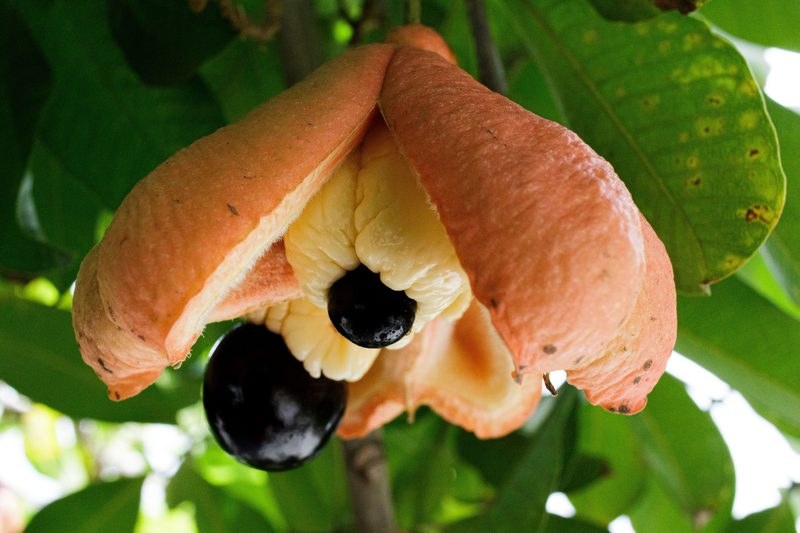
Pay attention to the balance between crowd-pleasers and heritage dishes. A menu that includes patties, jerk wings, and rice bowls may still be excellent, but it becomes more interesting when it also offers less obvious items such as ackee and saltfish, callaloo, pepper shrimp, souse, or a proper fish dish with bones left in. Those are usually signs that the restaurant is cooking from memory and community demand, not just from what seems easiest to sell.
The plates most people should order first
If you are new to Caribbean food in Denver, start with dishes that show range rather than chasing the hottest option on the menu. Jerk is a fine entry point, but it is not the whole cuisine. A smarter first meal often includes a braised dish, a grilled dish, and at least one starchy side that can soak up sauce.
A practical first order looks like this:
- jerk chicken
- oxtail or curry goat
- rice and peas
- sweet plantains
- one house side, often cabbage, slaw, or macaroni pie
That combination lets you taste smoke, spice, long-cooked richness, sweetness, and the restaurant’s handling of basics. If the chicken is juicy, the gravy is deep, and the sides feel intentional, you are probably in good hands.
Jamaican influence tends to lead the conversation
When people search for caribbean food denver, they often end up in Jamaican cooking first, and it is easy to understand why. Jamaican food travels well, delivers bold flavor quickly, and includes several dishes that work beautifully in casual restaurant formats. Patties can move all day. Jerk can anchor lunch and dinner. Oxtail earns loyalty. Curry goat creates regulars.
But Jamaican influence can also flatten the broader category if diners stop there. The Caribbean is not one flavor profile. Even within Jamaica, there are dramatic shifts between street snacks, seafood, home-style stews, and holiday foods. Expand beyond the expected and the cuisine opens up fast.
One thing seasoned diners notice is that the best Jamaican-leaning menus do not overcomplicate the plate. The seasoning does the work. Jerk does not need sugary glaze. Rice and peas does not need embellishment. A side of cabbage, lightly cooked with carrot, onion, and seasoning, often says more about the kitchen than an overloaded appetizer ever could.
Beyond jerk, there is a whole world of island cooking
Cuban menus tend to show a different personality. They often lean on roast pork, mojo, black beans, rice, pressed sandwiches, croquetas, and slow-cooked comfort dishes with citrus and garlic at the center. These menus can feel gentler in their heat but no less satisfying. A properly marinated pork dish with beans and rice has a kind of quiet authority. It does not announce itself the way jerk does, yet people return to it for years.
Puerto Rican food brings its own anchors, especially pernil, arroz con gandules, tostones, and mofongo. Mofongo in particular can be revelatory if prepared well. Mashed green plantains mixed with garlic, fat, and stock can turn into a dense brick in careless hands, but the good versions are fragrant, textured, and deeply savory.
Dominican cooking often excels at daily plates, the kind of meals that locals eat on repeat rather than save for special occasions. Stewed chicken, beans, rice, fried cheese, mangú, and roasted meats create menus that feel honest and durable. They are less performative than trend-driven restaurant fare, and often better because of it.
Trinidadian cooking deserves special attention when it appears, especially for doubles, roti, and curries. Doubles, in particular, make a strong case for themselves as one of the best handheld foods anywhere. Soft bara, curried chickpeas, chutney, pepper sauce, and tamarind can deliver more flavor in a small package than many full entrées manage on a plate.
Haitian food, where available, adds another dimension through epis seasoning, griot, pikliz, stews, and rice dishes with striking depth. The best Haitian plates carry both richness and lift, often thanks to the sharp acidity of pickled vegetables and careful herbal seasoning.
The role of sides, sauces, and heat
A lot of first-time diners judge Caribbean food by the meat alone. That is a mistake. The sides and condiments are where many menus either become coherent or fall apart.
Plantains are a good example. Sweet plantains should be caramelized at the edges, soft in the center, and sweet enough to counter salt and spice without tasting like dessert. Tostones should hold their crunch, not sag into oiliness. Rice and peas should be seasoned enough to eat on their own. Slaw should bring freshness, not just mayonnaise. Pepper sauces should have personality beyond heat.
Scotch bonnet peppers deserve a quick note here because they are central to many Caribbean kitchens and easy to misuse. Their heat is serious, but so is their fruitiness. A pepper sauce made with balance can sharpen a dish beautifully. Dumped carelessly onto everything, it can erase the details the cooks worked for.
I have found that diners who claim they “like spicy food” often miss the point of Caribbean heat at first. The goal is not punishment. It is shape. A little brightness on rich oxtail gravy, a sharper edge on fried fish, a flash of heat in a curry, these are finishing touches, not stunts.
What separates a strong restaurant from a merely trendy one
There is a difference between a place that uses Caribbean flavor as a hook and one that treats it as a serious culinary language. You can taste it in the marinades, in the rice, in the bones left in a fish dish because that is how the flavor develops, in the confidence to serve a lunch special that may not have broad mainstream recognition.
The strongest restaurants also know when not to smooth out the rough edges. A menu does not need to be “elevated” to feel professional. Sometimes the smartest thing a kitchen can do is keep the plate simple and focus on tenderness, seasoning, and portion balance. Caribbean food suffers when chefs start fussing with it for visual effect while neglecting depth.
That said, adaptation is not automatically a flaw. Denver restaurants work with local supply chains, local rent, and a customer base with varying levels of familiarity. Sometimes a menu trims the number of dishes because labor is tight. Sometimes a seafood-heavy island repertoire narrows inland. Sometimes spice levels come down slightly. Those compromises are real. What matters is whether the soul of the cooking survives the adjustment.
Ordering for groups without getting repetitive
Caribbean food is especially good for sharing because the category naturally lends itself to varied textures and preparations. If you are ordering with a table, the best move is to build contrast rather than simply multiplying jerk plates.
A balanced group order usually includes these kinds of items:
- one grilled or smoked entrée
- one braised dish
- one fried snack or appetizer
- two starches with different textures
- a fresh or pickled side to cut the richness
That approach keeps the table from collapsing into a wall of brown sauce and rice, which is more common than people realize. It also gives first-time diners a clearer sense of the cuisine’s range.
How price, portions, and labor shape the experience
Caribbean food can create sticker shock for diners who assume “casual” should always mean “cheap.” That expectation ignores the labor in the food. Oxtail prices have risen sharply over the years. Goat is not inexpensive. Marinating, braising, frying, and prepping multiple sides from scratch takes time. Even a modest-looking plate may represent hours of work.
Portions vary by concept. Some Denver spots serve hearty, almost home-style platters that can stretch into lunch the next day. Others portion more tightly, especially if they are operating in high-rent districts or positioning themselves as chef-driven restaurants. Neither model is inherently better. What matters is whether the plate feels honest relative to the price and care.
One useful test is leftovers. Good Caribbean food often improves overnight, especially stews and curries. Rice soaks up sauce. Spice rounds out. If you reheat a plate the next day and it still tastes structured rather than muddy, the kitchen knew what it was doing.
The best times to go, and what to ask
Timing matters more than many diners realize. Some dishes are strongest earlier in service, especially fried items that benefit from fresh oil and quick turnover. Others, notably braises, can be spectacular later in the day once flavors settle. Weekend menus often run deeper than weekday menus, particularly at family-run restaurants serving community favorites.
Ask what was made today. Ask what sells out first. Ask whether the caribbean food denver kitchen has something off-menu or only on weekends. These are not performative foodie moves. At many Caribbean restaurants, they are the shortest path to the best food in the building.
If you are undecided between two mains, ask which one the staff would eat themselves, not which one is “most popular.” Popularity often tracks familiarity. Staff recommendations usually track pride.
Why this cuisine has staying power in Denver
Some food trends arrive in Denver as concepts first and flavors second. Caribbean cooking tends to work the other way around. The dishes are resilient because they are grounded in habit, family memory, preservation, celebration, and thrift turned into abundance. That gives them staying power.
The local appetite is also catching up. Diners are more willing now to explore specific regional traditions rather than treating every warm-weather cuisine as interchangeable. That helps Caribbean restaurants hold their identity instead of flattening the menu for broadest possible appeal. It also means there is room for diners to become more fluent, to know the difference between jerk and brown stew, between plantains and tostones, between a quick lunch plate and a dish that took all day.
For anyone exploring caribbean food denver, the real reward is not just finding one good restaurant. It is learning how to recognize a thoughtful menu when you see one. Look for patience, balance, and confidence. Look for sauces that cling, rice that carries flavor, sides that do more than fill space, and heat used with purpose. The tropical flavor people talk about is only part of the story. The deeper pleasure is in the structure of the meal, the way sweetness, spice, smoke, starch, and acid all hold each other up.
That is when Caribbean food stops being a craving and becomes a regular part of how you want to eat in Denver.
Reggae Pot Jamaican Grill
2243 S Monaco St Pkwy, Suite 104
Denver, CO 80222
(720) 410-2956
FAQ About caribbean food denver
What is a typical Caribbean meal?
Caribbean cuisines vary by island. A Jamaican meal might pair jerk chicken or oxtail with sides such as rice and peas, cabbage, or fried plantains.
What is Jamaica’s national dish?
Ackee and saltfish is widely recognized as Jamaica’s national dish. Check the current menu for availability.
Is Caribbean jerk the same as Jamaican jerk?
Jerk is a Jamaican cooking tradition associated with seasoning and slow cooking or grilling. The exact heat level and preparation vary by cook.