Where to Find Delicious Caribbean Food in Denver on a Budget
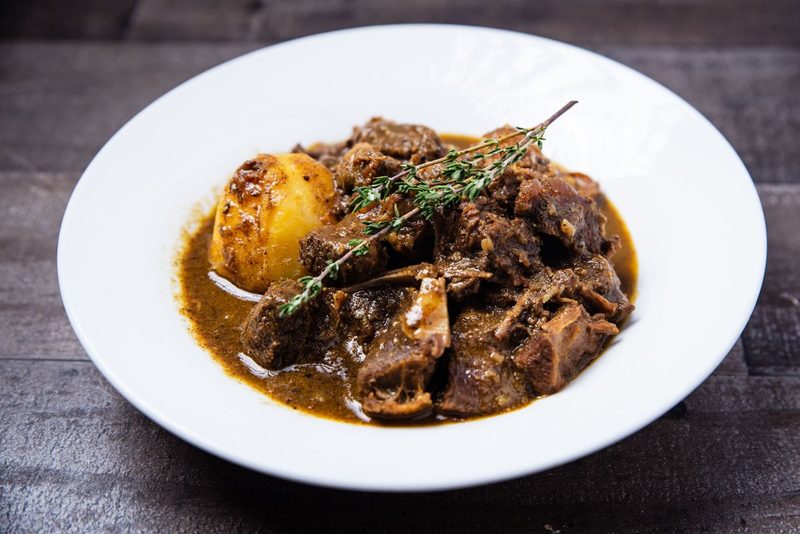

Denver is not the first city people name when they talk about Caribbean cooking, and that is exactly why it can surprise you. The Caribbean food scene here is smaller, more scattered, and a little less obvious than in places like Miami or New York, but it rewards anyone willing to look beyond the usual downtown restaurant circuit. If your goal is to eat well without spending much, that matters. The best meals are often not the ones with the slickest buildout or the biggest marketing budget. They are the jerk chicken plate sold from a compact counter in a neighborhood strip mall, the Cuban sandwich at lunch from a no-frills shop, or the weekend pop-up where somebody cooks the food they grew up eating and serves it without apology.
Finding good, affordable Caribbean food in Denver takes a different strategy than finding tacos or pizza. You usually will not have ten options on the same block. More often, you will find one strong kitchen tucked into an area known for immigrant-owned businesses, or a food truck that appears at breweries and markets, or a catering-focused operation that quietly serves some of the most satisfying plates in town. If you know what to look for, and if you order with a little discipline, you can eat very well for a reasonable price.
Why Denver budget diners need a different approach
The phrase caribbean food denver often makes people think they should search for a neat list of traditional sit-down restaurants and call it a day. That usually misses the real picture. In Denver, Caribbean food tends to show up in several formats at once: established restaurants, lunch counters, food trucks, weekend vendors, and crossover spots that blend Caribbean flavors with Southern, Latin, or American comfort food. Some of the strongest meals come from businesses that do not look polished online, which means your usual search habits are not always the most useful ones.
That can actually help your wallet. Restaurants carrying high rent in trendy corridors often have to charge accordingly. Smaller operations on the east side of Denver, in Aurora, or in mixed-use commercial strips tend to offer larger portions and more practical pricing. You may trade ambience for value, but if your priority is flavor and a full stomach, that is usually a smart exchange.
There is also the portion factor. Caribbean cooking, when done traditionally, often favors substantial plates: rice and beans, stewed meats, fried plantains, cabbage, patties, sandwiches pressed hot, braised oxtail when available, and soups or sides that turn one purchase into a meal with leftovers. Even when a plate looks expensive at first glance, the real question is how far it stretches. A $16 plate that becomes dinner and next-day lunch is often the better buy than a $12 meal that leaves you hungry an hour later.
The best places to start looking
If you want value, start where small independent operators can still survive. In Denver and the surrounding metro, that usually means neighborhood commercial strips, especially in east Denver and Aurora, rather than destination dining districts. Aurora, in particular, has become one of the strongest places in the region to look for international food at sane prices. Caribbean vendors may not always headline the block, but they often appear near Latin American bakeries, African markets, small barbecue spots, and family-run cafes. That mix is usually a good sign. When a neighborhood supports everyday eating instead of special-occasion dining, prices tend to stay grounded.
Food halls and farmers markets can go either way. Some are expensive by default, especially when vendors have short service windows and high event fees. Others are one of the easiest places to catch a Caribbean pop-up or truck without chasing social media for location updates. The trick is timing. Midday markets, weekday lunch service, and community festivals often offer better value than prime-time nightlife crowds. If you spot a Caribbean vendor with a line at noon and a menu that is short and focused, pay attention. A concise menu often means the kitchen is making a few things well and keeping waste low, which tends to improve both flavor and value.
Church events, neighborhood block festivals, and cultural celebrations are also worth watching. They are not guaranteed weekly options, but when Caribbean cooks show up in those spaces, the food can be both more traditional and more affordable than what you would find in a polished restaurant. The portions are often generous, and the menu usually leans toward dependable crowd-pleasers rather than expensive ingredients dressed up for effect.
What kinds of Caribbean food give you the best value
Not every dish delivers the same return for your money. If you are trying to eat well on a budget, the smartest orders are usually the ones built around rice, beans, braised meats, and starches that hold up well. Caribbean food has many of these, which is one reason it can be such a satisfying budget cuisine when you find the right place.
Here are the orders that most often make sense if you want flavor, fullness, and leftovers:
- Jerk chicken plates with rice, beans, cabbage, and plantains
- Curry chicken or stewed chicken with rice
- Cuban sandwiches, especially as a lunch special
- Beef or chicken patties paired with a side or soup
- Rice-based combinations, such as plates that include beans, peas, or mac and cheese
Jerk chicken is usually the safest benchmark. It tells you a lot about the kitchen. If the seasoning is deep, the smoke or char comes through, and the sides are handled with care, chances are the rest of the menu is solid too. It is also one of the better-value proteins. Oxtail may be excellent, but it often lands at a premium price because the ingredient itself has become expensive. Goat can be similar. Chicken, by contrast, tends to give you the most reliable balance of cost and satisfaction.
Patties deserve more respect than they get. A flaky beef patty is not just a snack if it is well made and generously filled. Pair two patties with a drink, or add one to a bowl of soup or a side of rice, and you have a budget lunch that travels well. They are also one of the easiest ways to sample a Caribbean spot without committing to a full plate.
Cuban sandwiches can be another quiet bargain, especially if the shop understands the ratio of bread to fillings. A properly pressed sandwich with roast pork, ham, Swiss, mustard, and pickles has enough richness and texture to feel complete on its own. In Denver, where sandwiches in general can get overpriced fast, a strong Cuban at lunch can still feel like a very fair deal.
How to judge a place before you order
When I am trying a new Caribbean spot on a budget, I watch what regulars order. That sounds simple, but it saves money. If several people ahead of you all order the same chicken plate, or if the cashier asks whether you want your patty heated because they do that all day for repeat customers, you have learned something useful. Busy trays moving out of the kitchen also matter. Food that is turning over stays fresher, especially rice, fried items, and grilled meats.
Menus with too many unrelated categories can be a warning sign. A place serving Jamaican, Cuban, seafood boils, wings, breakfast burritos, and sushi all at once is not impossible, but it is harder to trust. By contrast, a short menu with a few proteins and several sides often means the kitchen has settled into a rhythm. That is where budget diners usually win.
Pay attention to sides. They reveal whether the place cooks with care or just checks boxes. Rice and peas should have flavor on their own. Cabbage should be seasoned, not steamed into oblivion. Plantains should look caramelized and soft, not pale and dry. Mac and cheese, when offered, can be the decider between an average plate and one you remember. At affordable places, sides are not decoration. They are part of the value proposition.
Where your money goes furthest
The most affordable Caribbean meals in Denver usually show up in a handful of settings rather than one exact type of restaurant.
- Small neighborhood restaurants outside the downtown core
- Food trucks with a tight menu and predictable weekly stops
- Pop-ups at breweries, markets, and cultural events
- Caribbean or Afro-Caribbean counters inside mixed-use markets
- Lunch-service spots offering weekday specials
Neighborhood restaurants win on consistency. They have regulars, fixed overhead, and enough repetition to get their core dishes right. Food trucks can be slightly more variable, but they often keep labor lean and menus tight, which helps value. Pop-ups are the wild card. Some are excellent bargains, especially when cooks are building a following and keeping prices accessible. Others price like novelty experiences. You have to read the room.
Mixed-use markets and international grocery-adjacent counters are often underrated. There is a practical reason for that. Customers in those spaces are usually shopping for everyday life, not a date night. Food pricing tends to reflect that. If you see steam pans, a visible grill, and a line of workers coming in for lunch, you are probably in the right kind of place.
Lunch remains the strongest play almost everywhere. Portions may be nearly the same as dinner while the pricing is a few dollars lower. Some kitchens also move faster at lunch, which means less waiting and fresher turnover. If you are budget-conscious, lunch is not just cheaper. It is often the more dependable shift.
Neighborhoods and nearby areas worth watching
Aurora is often the first place I recommend to anyone searching for Caribbean food near Denver without inflated pricing. The city’s food culture supports independent operators in a way that many trendier pockets do not. You may need to drive a bit, and the storefront might not announce itself loudly, but the odds of finding honest portions improve once you leave the most polished dining zones.
East Colfax and nearby stretches can also reward curiosity. This is not about one famous cluster of Caribbean restaurants. It is about the kind of commercial geography where small family-run food businesses can still survive. Strip malls, shared plazas, and corners anchored by international grocers are worth more attention than they usually get.
South Federal is better known for other cuisines, but it is still the kind of corridor where food value survives. If you see a Caribbean vendor pop up in a market, at a shared kitchen event, or attached to a mixed-concept eatery, do not dismiss it just because the area is associated with something else. Denver’s more affordable food scenes overlap constantly.
Then there are breweries and seasonal markets. These are hit or miss on price, but they are still useful if you follow local Caribbean vendors online. Plenty of cooks test dishes, build a customer caribbean food denver base, and eventually move into more permanent service through these events. If you try a good plate at a brewery lot on a Saturday, that vendor may also have a cheaper weekday stop or a standing lunch service somewhere less visible.
How to spend less without feeling like you are gaming the menu
Budget eating is not only about choosing the cheapest item. It is about ordering in a way that respects the kitchen and gets you the most satisfaction for your money. A few habits help.
First, ask what sells most. Good counter staff know exactly which plate gives the best value and which items are more niche. Second, do not chase expensive proteins unless you already trust the place. Oxtail can be wonderful, but if you are trying a spot for the first time, start with jerk or curry chicken. Save the premium order for a return visit. Third, look at side substitutions carefully. Sometimes a plate becomes overpriced once you start customizing it. The default combination is often where the kitchen has set the value.
Family meals can be the hidden bargain, especially if you are feeding two or three people. Caribbean restaurants that offer trays of rice, beans, chicken, and sides often price them more efficiently than buying three separate entrees. Even if you are eating solo, a family meal can work if you do not mind leftovers for a couple of days. Chicken and rice-based dishes usually reheat well, while fried items are better eaten right away.
Another thing I have learned the hard way is that beverages quietly inflate the check. If the restaurant has a house-made drink that is part of the experience, go for it. Sorrel, ginger beer, or a good tropical juice can be worth it. If not, skip the extra and put those dollars into an additional patty or side. You will notice the difference more in the meal than in the cup.
Cuisines within the Caribbean umbrella, and what each offers a budget diner
One reason people searching for caribbean food denver sometimes get confused is that Caribbean cuisine is not a single menu. Jamaican food tastes different from Cuban food, which tastes different from Trinidadian or Puerto Rican cooking. The common thread is warmth, spice, starch, and deeply seasoned comfort, but the best budget move depends on the style of caribbean food denver cooking.
Jamaican food is often the most practical place to begin. Jerk chicken, curry chicken, patties, rice and peas, cabbage, and plantains are all familiar enough to feel accessible and substantial enough to justify the spend. If a Denver-area spot does Jamaican food well, it is often one of the strongest budget meals around.
Cuban food can be excellent for lunch. Sandwiches, roast pork plates, black beans, rice, and yuca all lend themselves to satisfying meals without luxury pricing. Cuban cooking also tends to appeal to people who may not crave heat, which makes it an easy group option.
Puerto Rican and Dominican dishes can be outstanding when you find them, though they may appear more often through pop-ups, catering, or mixed Latin-Caribbean operations than through a large number of dedicated restaurants. Mofongo, pernil, stewed chicken, and rice combinations can be deeply filling, though portions and prices vary quite a bit from one vendor to the next.
Trinidadian food, when available, deserves a look from anyone who likes handheld value. Doubles, roti, and curry-based dishes can deliver serious flavor at approachable prices. These are not the easiest items to find consistently in Denver, but when they show up, they are worth chasing.
Common mistakes people make when hunting for cheap Caribbean food
The first mistake is assuming cheaper always means lower quality. In Denver, some of the most memorable Caribbean meals come from very modest-looking operations. The second mistake is judging too quickly by online photos. Restaurants with limited budgets rarely have polished visual branding. That tells you almost nothing about how the rice is seasoned or how well the chicken is marinated.
The third mistake is going at the wrong time. Late evening can be a rough window for some smaller spots, especially if key items sell out or sides sit too long. Midday and early dinner usually produce the best food. The fourth mistake is ordering the expensive specialty before testing the basics. A place that nails jerk chicken and rice is far more promising than a place trying to lure you in with flashy premium dishes.
Finally, people often forget to ask about daily specials. Caribbean kitchens frequently cook according to what is practical that day, not what best fits an online menu. The best-value dish may be something not highlighted on social media at all.
A practical way to explore the scene
If you are new to Caribbean food in Denver, give yourself a small budget and treat it like a series of test runs instead of one big night out. Start with lunch. Order a core plate, usually jerk or curry chicken, and one side or patty that tells you something about the kitchen. If that first meal works, come back for a premium dish later. This approach sounds cautious, but it is actually how you avoid wasting money in a city where the scene is still developing and the best options are spread out.
I would also keep notes, even informal ones on your phone. Not because you need to become a food critic, but because smaller operations sometimes shift hours, locations, or menu focus. The truck you liked at a market might start doing a regular brewery stop on Thursdays. The pop-up with great patties might begin taking preorders. The neighborhood spot with strong lunch plates might run out of its best stew by 2 p.m. These details matter more than star ratings when you are trying to eat well and spend carefully.
Denver may never be the easiest city for Caribbean food, but that does not mean it is a bad one. It simply asks more of the diner. You have to look past the obvious, trust neighborhoods that eat for substance rather than display, and understand which dishes give you real value. Do that, and the city starts to open up. A smoky chicken plate with rice and peas, sweet plantains, and a side of cabbage for a fair price is not hard to appreciate anywhere. In Denver, finding it feels even better because you earned it.
Reggae Pot Jamaican Grill
2243 S Monaco St Pkwy, Suite 104
Denver, CO 80222
(720) 410-2956
FAQ About caribbean food denver
What is a typical Caribbean meal?
Caribbean cuisines vary by island. A Jamaican meal might pair jerk chicken or oxtail with sides such as rice and peas, cabbage, or fried plantains.
What is Jamaica’s national dish?
Ackee and saltfish is widely recognized as Jamaica’s national dish. Check the current menu for availability.
Is Caribbean jerk the same as Jamaican jerk?
Jerk is a Jamaican cooking tradition associated with seasoning and slow cooking or grilling. The exact heat level and preparation vary by cook.