Where to Get Soulful Jamaican Food in Denver
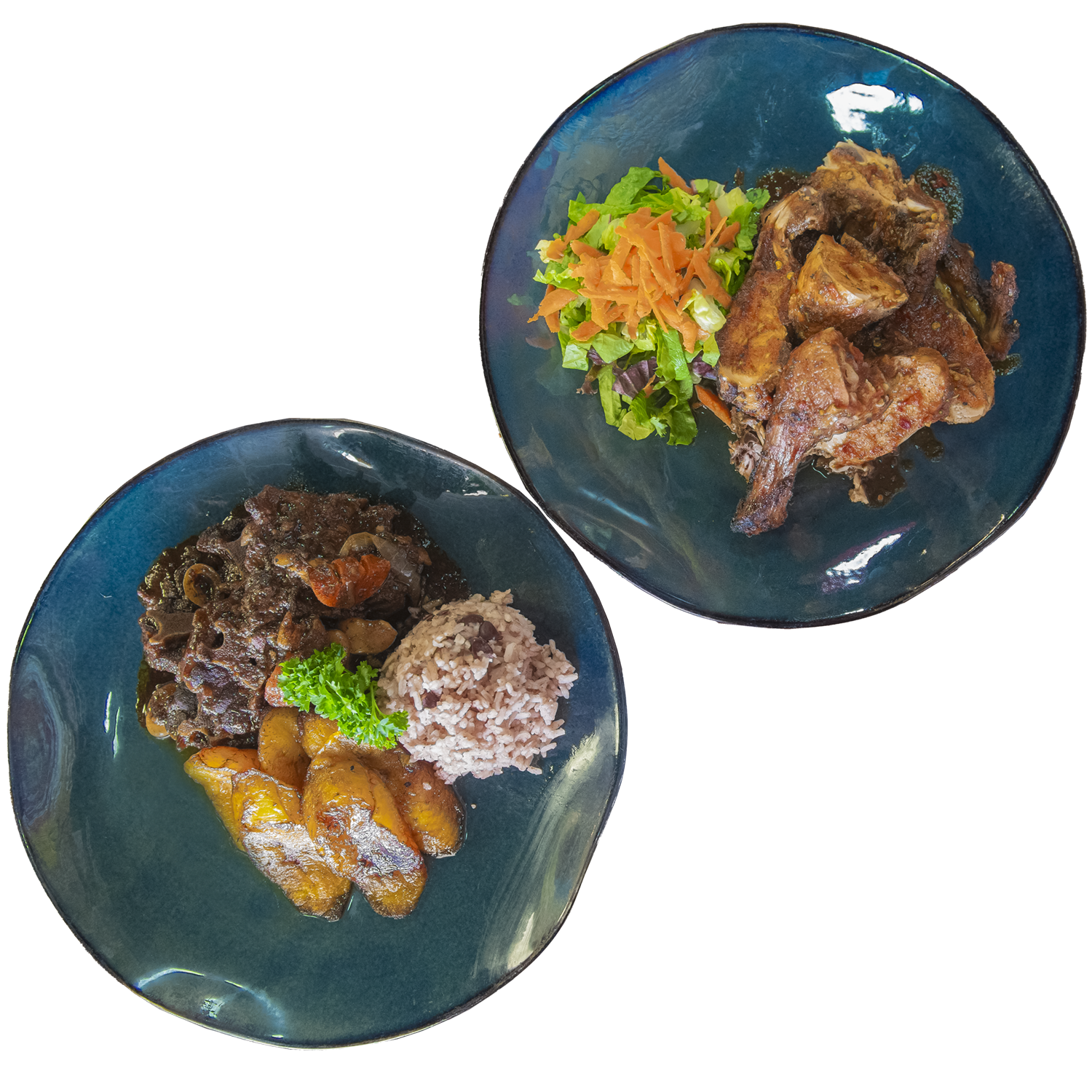
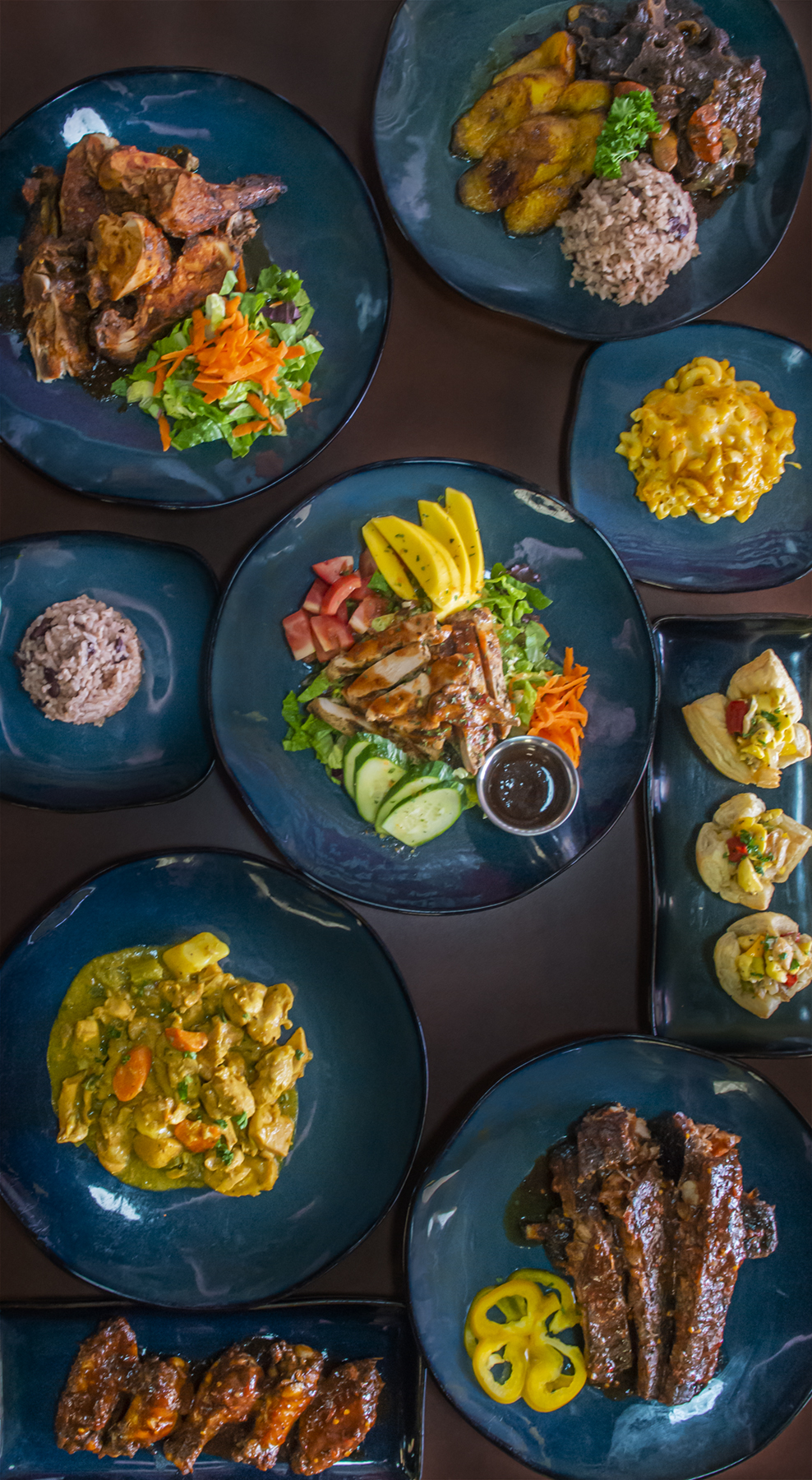
Finding truly soulful Jamaican food in Denver takes a little more intention than it does in cities with long-established Caribbean corridors. That is not a knock on Denver. It is simply the reality of a smaller, more spread-out scene. The upside is that when you do find a kitchen that gets it right, the meal feels earned. You notice the patience in the braise, the allspice and thyme in the marinade, the heat that builds instead of shouting, the rice and peas that taste like they were cooked with purpose rather than treated as filler.
If you are searching for jamaican food denver, it helps to adjust expectations in a productive way. Denver does have Jamaican food, and some of it is very good. What it does not have, at least not in the same density as Brooklyn, Miami, or parts of Toronto, is block after block of options. Here, the best plates may be tucked into a strip mall, attached to a takeout counter, operating as a food truck, or turning up at a weekend market before they land in a permanent space. A lot of the city’s best ethnic food works that way, and Jamaican cooking is no exception.
The good news is that soulful Jamaican food tends to announce itself quickly once it hits the table. https://paxtonnggt453.laurelcurrent.com/posts/top-jamaican-food-in-denver-for-authentic-caribbean-plates-2 You can smell when the jerk has had time to sit in the seasoning. You can tell whether the cabbage was cooked by someone who respects texture. You can taste whether the cook understands that oxtail should feel deep and sticky, not merely tender. Denver may ask you to drive a few extra miles for that kind of meal, but it is there.
What “soulful” Jamaican food actually tastes like
People use the word “authentic” loosely, often to mean “I liked it” or “it reminded me of a trip.” Soulful is more useful. It points to cooking with memory, confidence, and restraint. Jamaican food can be fiery, but it is not about blunt force heat. It is about layers. Scotch bonnet, pimento, scallion, ginger, thyme, curry powder, garlic, onion, and browning sauce all have their place, but balance matters more than volume.
A good jerk chicken plate should not taste like generic barbecue with spice sprinkled on top. The meat should carry seasoning beneath the skin or into the grain, and the exterior should show some char. Rice and peas should be aromatic and slightly creamy from coconut milk, not just white rice with a few beans tossed in. Curry goat should have body and savoriness. Oxtail should be rich enough that the sauce clings to the rice. Even a humble beef patty should have a crust that flakes and a filling that tastes seasoned all the way through.
That is the standard worth chasing in Denver. The city’s best Jamaican kitchens may vary in style, but the memorable ones all share that depth.
Start by widening your map
One mistake people make when looking for Jamaican food in Denver is keeping the search too literal. If you only look at central Denver proper, you can miss some of the stronger options in the metro area. Caribbean food in this region often lives a little outside the urban core, in places where rent is less punishing and family-run restaurants have room to build a regular crowd.
That means it is worth checking Aurora, Centennial, Lakewood, and other nearby pockets, especially if a twenty- or thirty-minute drive opens up better food. For a cuisine built on slow cooking and seasoned meats, a short commute is a fair trade. Denver diners already do this for great pho, Ethiopian food, and regional Mexican cooking. Jamaican food deserves the same flexibility.
It also helps to check more than one format. Some excellent Jamaican cooks sell through catering operations, pop-ups, or food trucks before they commit to a full dining room. If a restaurant’s online presence looks slightly improvised but the food photos show proper browning, real gravy, and plates that locals clearly return for, that is often a promising sign rather than a warning.
One of the most reliable names: Reggae Pot
If you ask around about Jamaican food in the Denver area, one of the names that comes up regularly is Reggae Pot in Centennial. It is outside the center of Denver, but this is exactly the kind of drive that pays off when you want more than a casual approximation of Caribbean flavor.
Reggae Pot has built a reputation around the dishes most people hope to find when the craving hits: jerk chicken, curry goat, oxtail, patties, and traditional sides. What stands out in a place like this is not novelty. It is steadiness. That matters more. Jamaican food is one of those cuisines where consistency tells you almost everything about the kitchen. If the jerk is juicy on one visit and dry on the next, or if the gravy tastes thin and rushed, the whole experience slips. The restaurants people stay loyal to are the ones where the seasoning profile remains recognizable meal after meal.
For a first visit, jerk chicken is usually the smartest order because it reveals the house style quickly. You can tell whether the kitchen leans toward smoke, sweetness, or pepper, and whether the marinade actually penetrated the meat. Oxtail is the order for diners who want to measure patience. Curry goat tells you whether the spice blend is integrated or muddy. If a place handles those three well, the rest of the menu usually follows suit.
A practical note: if you are making the trip for oxtail or goat, call ahead or check current availability. Dishes that rely on long prep and fluctuating food costs sometimes sell out or rotate. That is not a flaw. In many cases, it is a clue that the kitchen is cooking in realistic batches rather than pretending every item can be limitless.
The Denver metro scene rewards curiosity
Part of the charm, and occasionally the frustration, of searching for Jamaican food in Denver is that the scene does not always present itself neatly. Strong Caribbean food can show up in hybrid spots, family restaurants with broad menus, or kitchens that mix Jamaican favorites with wings, seafood, or American comfort food. Purists can be skeptical of that setup, and sometimes they are right to be. A menu that tries to cover too much territory can lose focus fast.
Still, it would be a mistake to dismiss these places outright. In Denver, some kitchens use a wider menu to survive while keeping a handful of Caribbean specialties excellent. A restaurant might serve burgers and fries for neighborhood traffic, then turn out a deeply satisfying plate of jerk chicken or stewed oxtail because that is the food the owners know best. I have learned not to judge too early. If the staff speaks about the oxtail like they are proud of it, if the patties move quickly, if regulars are ordering sorrel or ginger beer alongside their meals, pay attention.
This is one reason online reviews need a little interpretation. A diner who wanted fast lunch might complain that a braised dish took too long. Someone unfamiliar with Scotch bonnet heat may describe a proper jerk sauce as excessive. On the other hand, repeated complaints about dry chicken, bland rice, or watery gravy usually tell the truth. You have to read between the lines.
What to order when you want the full measure of a kitchen
The surest way to understand a Jamaican restaurant is to order dishes that cannot hide. Fried appetizers and sugary drinks can carry a weak meal only so far. The heart of the cuisine sits in its mains and sides.
If you are trying a place for the first time, focus on a combination of one grilled or roasted item and one braised dish. Jerk chicken plus oxtail is ideal if you are sharing. Add rice and peas and either cabbage or plantains. That gives you smoke, spice, richness, starch, and vegetable texture in one sweep. It also tells you whether the kitchen understands contrast, which is one of the pleasures of Jamaican food. A heavy plate needs brightness somewhere. A fiery marinade needs a cooling side. Sweet plantains work because they round out the edges.
Patties deserve a separate mention. In some cities, you can take patties for granted. In Denver, a good patty is worth noticing. The crust should be flaky but not dry, and the filling should taste seasoned rather than salty. Beef is the baseline, but chicken and vegetable versions can also be revealing. A well-made patty is the sort of thing you grab for a quick lunch, then find yourself thinking about again two days later.
Why some Denver Jamaican food tastes muted
Altitude is not the main culprit, despite how often Denver cooks hear that explanation for everything. The bigger issue is adaptation. Some restaurants tone down seasoning because they believe local diners want less heat or less funk, and the result can feel cautious. You end up with chicken that is pleasantly grilled but not distinctly jerk, or curry that reads generic instead of Jamaican.
There is also the simple challenge of sourcing and cost. Oxtail has become expensive almost everywhere. Scotch bonnets are not always as easy to source consistently as jalapeños or serranos. Specialty ingredients can fluctuate. None of that excuses bland food, but it does explain why some menus shrink, rotate, or substitute. Good operators know how to adapt without losing the soul of the dish. Less careful ones flatten the flavors.
That is why the strongest Jamaican food in Denver often comes from cooks who understand the cuisine from the inside and refuse to dilute it past recognition. They may smooth a few edges for a broad audience, but they keep the backbone intact.
If you care about jerk, pay attention to the details
Jerk has become one of the most misunderstood Caribbean foods in the United States. Too often, it gets reduced to a label for “spicy grilled chicken.” Real jerk is more specific than that. It should carry aromatic heat, earthy spice, and a little bitterness from char. Pimento is essential to the profile. So are thyme and scallion. The heat should bloom rather than slam.
In Denver, that means the best jerk plates are rarely the ones trying hardest to look polished on social media. More often, they come from places where the chicken looks a little rugged, the portions are generous, and the aroma hits before the plate lands. If the skin has color, the meat is juicy, and the seasoning tastes built rather than sprinkled, you are in good shape.
I usually tell people not to judge a Jamaican restaurant by whether the jerk is painfully spicy. Some of the best versions are not. Judge it by fragrance, depth, and how long the flavor lingers after the bite.
Beyond the plate, the sides tell the truth
Some restaurants can produce a respectable main and still stumble on the details. Jamaican sides expose that quickly. Rice and peas should not be an afterthought. When done well, they carry coconut fragrance, a gentle savoriness, and just enough structure to hold gravy without turning mushy. Steamed cabbage should still have life to it. Plantains should be soft and caramelized, not greasy and limp. Mac and cheese, when offered, should taste deliberate rather than obligatory.
These are not small matters. They determine whether the meal feels composed. I have had jerk chicken in various cities that was solid on its own, then paired with tired rice and bland cabbage that drained the pleasure right out of the plate. The opposite happens too. A braised dish can become memorable because the rice and peas are exceptional and the vegetables bring the right relief.
Denver’s better Jamaican spots tend to understand that these supporting pieces are not support at all. They are part of the identity of the meal.
The role of hospitality
Soulful food is not just about seasoning. It is also about hospitality, and Caribbean restaurants often express that in ways that are easy to miss if you are rushing. The portions may run generous. The staff may steer you toward what is freshest that day. Someone may tell you the goat will take a few more minutes because they are finishing a batch. All of that is part of the experience.
In a city where diners are often moving fast, that slower rhythm can feel unusual. It should not be mistaken for disorganization. A kitchen making fresh cabbage, frying plantains to order, and ladling long-simmered oxtail gravy is operating on a different tempo than a sandwich counter. If you want the best version of the meal, embrace that.
I have had some of my favorite Jamaican food in places where the dining room was modest, the soundtrack mattered, and the person taking the order clearly cared whether I got the right plate. That care shows up in the food.
How to search smarter for jamaican food denver
If you are actively trying to find your go-to spot, a little strategy helps more than endless scrolling. Search broadly, then verify narrowly. Look at food photos, not just star ratings. Pay attention to whether the rice and peas look properly seasoned, whether the oxtail has real gloss and body, whether the jerk chicken has visible char. Read recent reviews for clues about consistency and portion size. Then call if there is a specific dish you want.
A few practical habits make the hunt easier:
- Widen your search radius beyond downtown Denver to include Aurora, Centennial, and nearby suburbs.
- Prioritize restaurants with photos of core dishes like jerk chicken, oxtail, curry goat, patties, and rice and peas.
- Check recent customer comments for words like tender, seasoned, spicy, smoky, and fresh, rather than generic praise.
- Call ahead for slow-cooked specialties, especially oxtail and curry goat.
- Order enough sides to judge the kitchen properly, because rice, cabbage, and plantains matter.
That approach is not glamorous, but it works. It is the same method experienced diners use in any city where a cuisine is present but not heavily concentrated.
Denver still has room to grow, and that is part of the appeal
The Jamaican food scene in Denver is not saturated, and that can be disappointing if you are used to larger Caribbean communities. But it also means every strong restaurant matters. Places that do this cooking well are not interchangeable. They build loyal followings because the food satisfies something very specific: warmth, spice, comfort, patience, and generosity on one plate.
As more diners seek out bolder regional cooking, Denver’s Jamaican scene has room to deepen. That may mean more pop-ups becoming permanent, more caterers stepping into storefronts, or more hybrid Caribbean kitchens finding the confidence to let the Jamaican dishes lead. When that happens, the city benefits from more than variety. It gains another layer of culinary memory.
For now, the smart move is to support the places already doing the work. Drive a little farther. Order the dish that takes time. Go back if the first meal was strong, because consistency is the real proof. And if you are starting your search with the phrase jamaican food denver, do not stop at the first result. The best Jamaican meals in the metro area are usually not the loudest. They are the ones with depth in the gravy, smoke on the chicken, and enough soul to make you plan the next visit before you have finished the plantains.
The meal worth chasing
A great Jamaican meal in Denver should leave you with a clear memory, not just a full stomach. Maybe it is the way the oxtail sauce soaked into the rice and peas. Maybe it is the sharp perfume of thyme and pimento rising off the jerk chicken when you open the container in the car. Maybe it is the contrast of sweet plantains against a peppery bite of curry goat. Those details are what separate soulful cooking from themed cooking.
If you want a practical starting point, begin with Reggae Pot and build outward from there into the broader metro scene. Stay open to the small places. Respect the suburbs. Trust the dishes that require time. Denver may make you search a bit harder for Jamaican food than some other cities do, but when you find the right plate, it delivers exactly what you came for: comfort, character, and flavor with a pulse.
Reggae Pot Jamaican Grill
Address: 2243 S Monaco St Pkwy #104, Denver, CO 80222
Phone number: +17204102956
FAQ About Jamaican Food Denver
What is typical Jamaican food?
Typical Jamaican food features bold, vibrant flavors created by blending African, Taino, European, and Asian influences.
What is a famous Jamaican dish?
Ackee and saltfish is Jamaica's national dish, made by sautéing the soft local ackee fruit with salted cod, onions, tomatoes, and spicy Scotch bonnet peppers.
What food is most popular in Jamaica?
The most popular and famous food in Jamaica is Jerk Chicken, celebrated worldwide for its smoky, spicy flavor.